
If you’re considering starting a florist shop, understanding the market demand, profitability, and marketing strategies is essential. Consider this as your florist business guide; we will walk you through key aspects of running a successful flower shop, from choosing between independent ownership and franchising to overcoming industry challenges.
Demands of Florist Businesses in the Market
Current Market Trends in the Floral Industry
- Event-Driven Demand – Weddings, funerals, birthdays, and holidays (Valentine’s Day, Mother’s Day) drive consistent flower sales.
- Eco-Conscious Consumers – Many buyers prefer locally sourced, organic, and eco-friendly floral options.
- Growth of Online Flower Delivery – E-commerce platforms have reshaped the traditional brick-and-mortar florist business, making online sales and delivery services crucial.
Successful florists tailor their offerings based on their customer demographics and needs:
- Wedding and Event Florists – Serve high-end clients, event planners, and venues.
- Corporate and Subscription Services – Provide floral arrangements for offices, hotels, and restaurants.
- Retail and Walk-In Shops – Cater to everyday customers looking for gifts or home decor.
Navigating Seasonality in the Floral Business
- Peak seasons (Valentine’s Day, Mother’s Day, wedding season) increase demand but require precise inventory management.
- Off-seasons present challenges in maintaining steady sales, requiring loyalty programs, seasonal promotions, and corporate contracts to sustain revenue.
A well-planned inventory and marketing strategy helps florist shops remain profitable year-round.

Profitability of the Florist Business
How Profitable is a Florist Business?
- Average Annual Revenue: According to the Society of American Florists, a retail floral shop generates an average of $362,318 in annual revenue.
- Profit Margins: Florist shops typically have an average gross margin between 40% and 50%. This means that if a shop earns $10,000 in a given month, the gross profit would be approximately $4,500.
- Overhead Costs – Expenses include rent, utilities, labor, inventory, and marketing. Well-managed shops keep costs low while maximizing sales.
Revenue Streams for Florist Shops
Florists diversify their income through multiple sales channels:
- Retail Sales – Walk-in customers and special occasion purchases.
- Event Contracts – Weddings, funerals, and corporate events.
- Flower Subscription Services – Weekly or monthly floral deliveries.
- E-commerce and Online Orders – Expanding reach through online sales and local delivery services.
Financial Planning for a Sustainable Business
- Track cash flow carefully to ensure profitability.
- Control inventory waste by using smart ordering techniques.
- Consider business loans or investor funding for expansion.
How to Become a Florist Franchisee
Why Choose a Florist Franchise?
- Proven Business Model – A franchise provides a tested and profitable framework.
- Brand Recognition – Established customer trust and credibility.
- Support & Training – Marketing, operational, and supply chain assistance.
At French Florist, we provide comprehensive franchise opportunities for aspiring flower shop owners.
Franchise Benefits:
- Initial Training Program – A 3-day, 20-hour hands-on floral training experience led by industry experts.
- Technology Integration – Franchisees gain access to state-of-the-art ordering and inventory software.
- Exclusive Supplier Network – Direct sourcing from Rainforest Alliance-certified farms without relying on third-party aggregators like FTD or Teleflora.
- Marketing & E-commerce Support – Tools to boost online sales and local visibility.
Franchising vs. Independent Business
| Feature | Franchise | Independent Shop |
| Brand Recognition | Yes | No |
| Training & Support | Yes | Self-managed |
| Marketing Assistance | Provided | Owner Responsible |
| Supplier Network | Established | Must source independently |
Starting a florist shop business can be profitable and fulfilling, but it requires a strong understanding of market demands, financial management, and marketing strategies.

Basics of Florist Shop Marketing
Effective Marketing Strategies for Florists
- Develop a Strong Local Presence – Partner with event planners, venues, and local businesses.
- Utilize Social Media – Post high-quality images on Instagram and Pinterest to showcase floral designs.
- Optimize Website & SEO – Create a professional website with online ordering and target local searches on Google.
- Run Seasonal Promotions – Offer discounts during peak flower-buying seasons.
- Encourage Customer Reviews – Positive online reviews boost credibility and attract new buyers.
A strong marketing strategy helps florist shops increase visibility and drive consistent revenue.
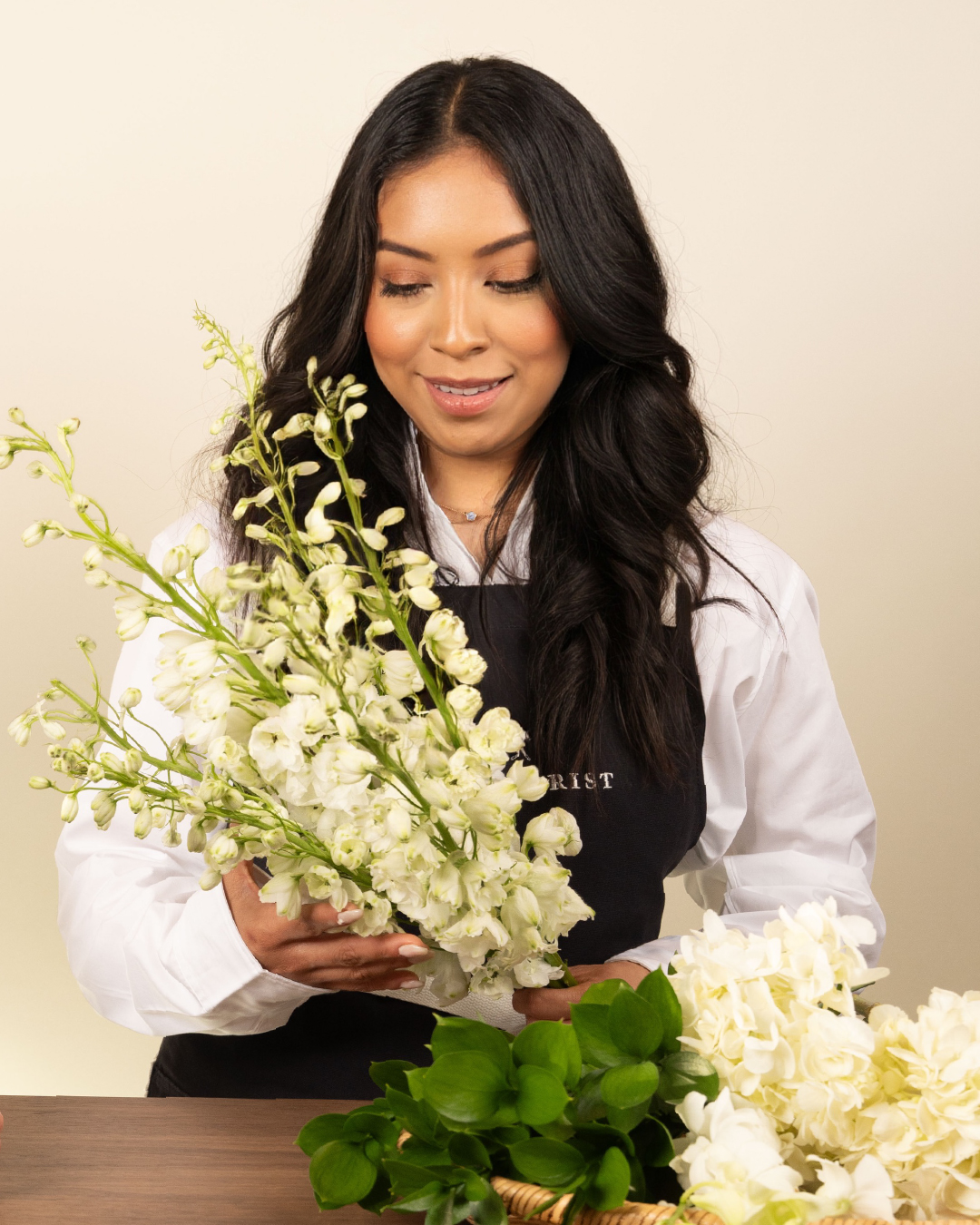
The Challenges of Running a Florist Shop Business
Common Challenges for Florists
- Managing Perishable Inventory – Requires smart supply chain management to reduce waste.
- Competing with Supermarkets & Online Retailers – Independent florists must focus on quality, personalization, and superior customer service.
- Balancing Creativity with Business Operations – Florists must handle both artistic design and business logistics.
- Navigating Seasonal Demand – Requires strategic inventory planning and off-season marketing tactics.
Join the French Florist Franchise & Build a Profitable Flower Business
Join our franchise family today and grow your own thriving florist business.