
Flowers are more than beautiful arrangements; they represent emotions, celebrations, and milestones. The florist shop business has long been a staple in communities, serving customers for weddings, funerals, birthdays, anniversaries, and corporate events. With the rise of e-commerce and changing consumer preferences, the floral industry has evolved, offering new opportunities and challenges for aspiring entrepreneurs.
If you’re considering starting a florist shop, understanding the market demand, profitability, and marketing strategies is essential. Consider this as your florist business guide; we will walk you through key aspects of running a successful flower shop, from choosing between independent ownership and franchising to overcoming industry challenges.
Demands of Florist Businesses in the Market
The florist industry remains a high-demand market, with consumers purchasing flowers for personal occasions, corporate events, and retail gifting. The U.S. floral market is growing, and within the next five years, the industry is forecasted to be worth more than $19 billion. However, understanding market trends and customer preferences is crucial for success.
Current Market Trends in the Floral Industry
- Event-Driven Demand – Weddings, funerals, birthdays, and holidays (Valentine’s Day, Mother’s Day) drive consistent flower sales.
- Eco-Conscious Consumers – Many buyers prefer locally sourced, organic, and eco-friendly floral options.
- Growth of Online Flower Delivery – E-commerce platforms have reshaped the traditional brick-and-mortar florist business, making online sales and delivery services crucial.
Understanding Your Target Market
Successful florists tailor their offerings based on their customer demographics and needs:
- Wedding and Event Florists – Serve high-end clients, event planners, and venues.
- Corporate and Subscription Services – Provide floral arrangements for offices, hotels, and restaurants.
- Retail and Walk-In Shops – Cater to everyday customers looking for gifts or home decor.
Navigating Seasonality in the Floral Business
- Peak seasons (Valentine’s Day, Mother’s Day, wedding season) increase demand but require precise inventory management.
- Off-seasons present challenges in maintaining steady sales, requiring loyalty programs, seasonal promotions, and corporate contracts to sustain revenue.
A well-planned inventory and marketing strategy helps florist shops remain profitable year-round.

Profitability of the Florist Business
A florist shop can be highly profitable, but success depends on location, pricing, and efficient operations.
How Profitable is a Florist Business?
- Average Annual Revenue: According to the Society of American Florists, a retail floral shop generates an average of $362,318 in annual revenue.
- Profit Margins: Florist shops typically have an average gross margin between 40% and 50%. This means that if a shop earns $10,000 in a given month, the gross profit would be approximately $4,500.
- Overhead Costs – Expenses include rent, utilities, labor, inventory, and marketing. Well-managed shops keep costs low while maximizing sales.
Revenue Streams for Florist Shops
Florists diversify their income through multiple sales channels:
- Retail Sales – Walk-in customers and special occasion purchases.
- Event Contracts – Weddings, funerals, and corporate events.
- Flower Subscription Services – Weekly or monthly floral deliveries.
- E-commerce and Online Orders – Expanding reach through online sales and local delivery services.
Financial Planning for a Sustainable Business
- Track cash flow carefully to ensure profitability.
- Control inventory waste by using smart ordering techniques.
- Consider business loans or investor funding for expansion.
How to Become a Florist Franchisee
Starting a florist business from scratch requires significant effort, but joining a florist franchise provides brand recognition, training, and operational support.
Why Choose a Florist Franchise?
- Proven Business Model – A franchise provides a tested and profitable framework.
- Brand Recognition – Established customer trust and credibility.
- Support & Training – Marketing, operational, and supply chain assistance.
Becoming a French Florist Franchisee
At French Florist, we provide comprehensive franchise opportunities for aspiring flower shop owners.
Franchise Benefits:
- Initial Training Program – A 3-day, 20-hour hands-on floral training experience led by industry experts.
- Technology Integration – Franchisees gain access to state-of-the-art ordering and inventory software.
- Exclusive Supplier Network – Direct sourcing from Rainforest Alliance-certified farms without relying on third-party aggregators like FTD or Teleflora.
- Marketing & E-commerce Support – Tools to boost online sales and local visibility.
Franchising vs. Independent Business
|
Feature |
Franchise |
Independent Shop |
|
Brand Recognition |
Yes |
No |
|
Training & Support |
Yes |
Self-managed |
|
Marketing Assistance |
Provided |
Owner Responsible |
|
Supplier Network |
Established |
Must source independently |
Starting a florist shop business can be profitable and fulfilling, but it requires a strong understanding of market demands, financial management, and marketing strategies.

Basics of Florist Shop Marketing
Effective Marketing Strategies for Florists
- Develop a Strong Local Presence – Partner with event planners, venues, and local businesses.
- Utilize Social Media – Post high-quality images on Instagram and Pinterest to showcase floral designs.
- Optimize Website & SEO – Create a professional website with online ordering and target local searches on Google.
- Run Seasonal Promotions – Offer discounts during peak flower-buying seasons.
- Encourage Customer Reviews – Positive online reviews boost credibility and attract new buyers.
A strong marketing strategy helps florist shops increase visibility and drive consistent revenue.
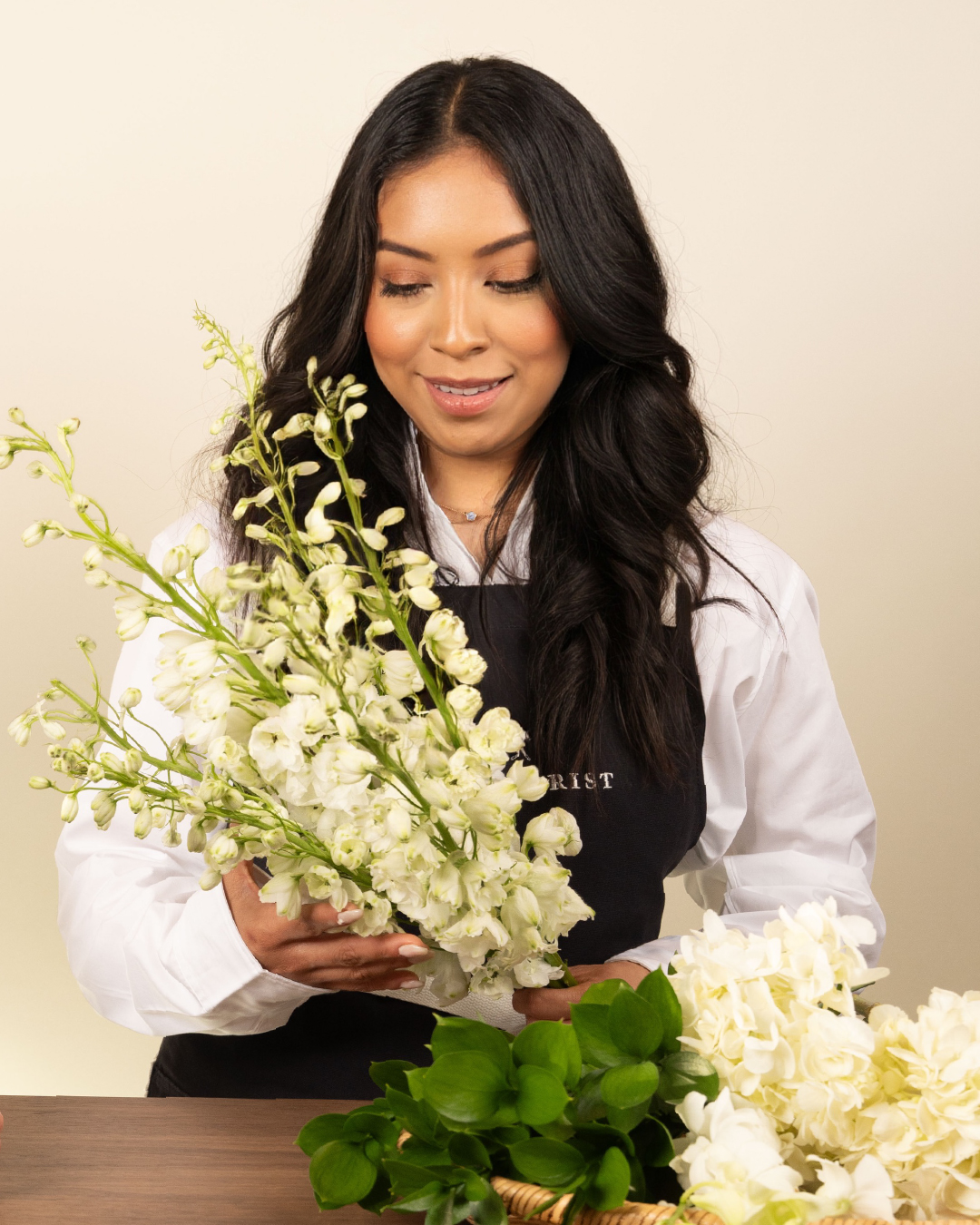
The Challenges of Running a Florist Shop Business
Owning a florist shop is rewarding, but it comes with challenges that require resilience and strategic planning.
Common Challenges for Florists
- Managing Perishable Inventory – Requires smart supply chain management to reduce waste.
- Competing with Supermarkets & Online Retailers – Independent florists must focus on quality, personalization, and superior customer service.
- Balancing Creativity with Business Operations – Florists must handle both artistic design and business logistics.
- Navigating Seasonal Demand – Requires strategic inventory planning and off-season marketing tactics.
Join the French Florist Franchise & Build a Profitable Flower Business
At French Florist, we provide franchisees with the tools, training, and industry expertise needed to succeed.
Join our franchise family today and grow your own thriving florist business.